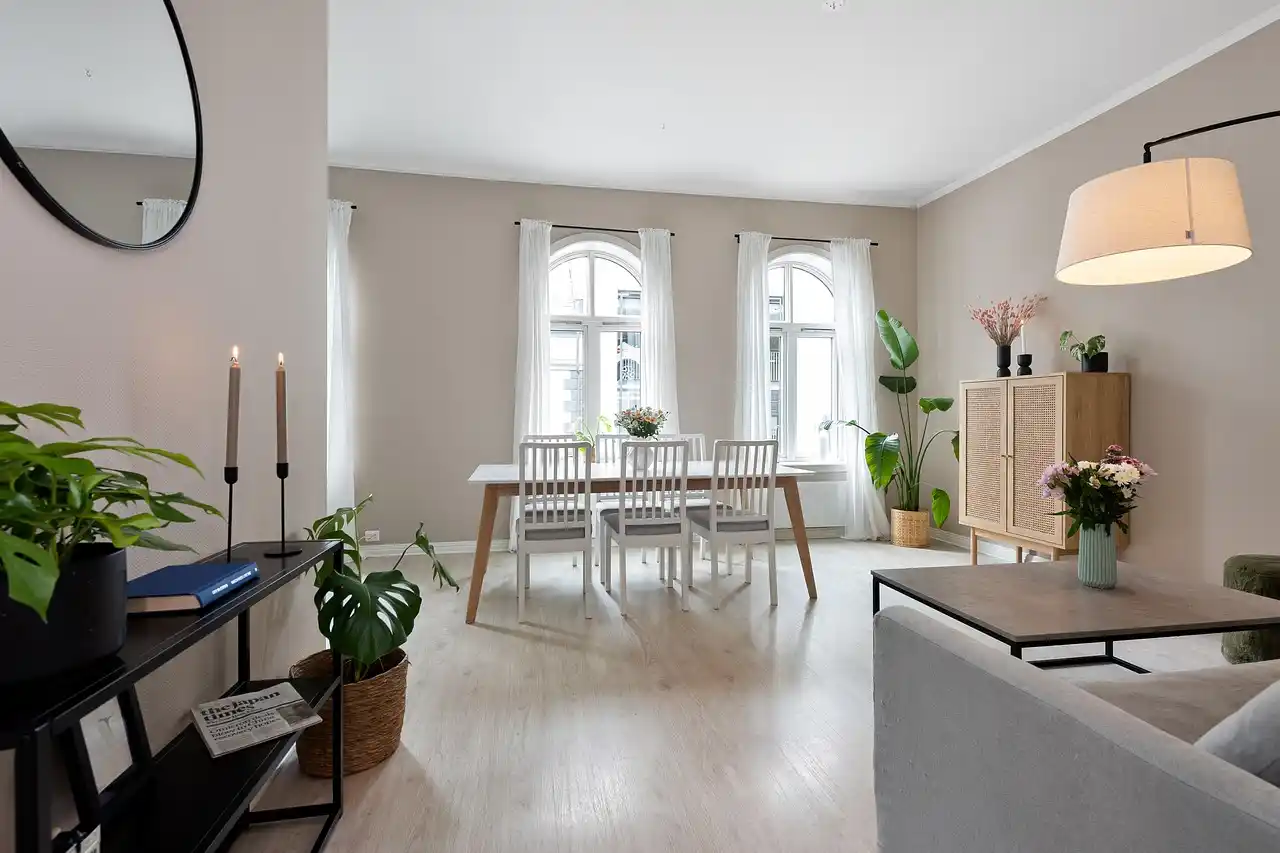
What is Home Window Tinting?
Home window tinting refers to applying a thin film to glass that filters sunlight, reduces heat gain, and extends the life of interior furnishings. Modern films are engineered to maximize energy savings while preserving a clear exterior view, and most installations are designed to be low-profile and long-lasting when applied by trained professionals.
Benefits of Home Window Tinting
Energy savings and comfort
By limiting solar heat gain, tint films decrease cooling loads in warm months, helping air conditioning run more efficiently and maintaining a comfortable indoor environment throughout the day and night.
UV protection and interior preservation
Quality films block up to 99% of ultraviolet rays, slowing fading of furniture, flooring, artwork, and fabrics while protecting occupants from UV exposure indoors and near windows.
Privacy and safety
Tinted windows offer greater privacy by reducing visibility from outside, and some films add a layer of shatter resistance, improving safety in case of impact without compromising daylight.
Types of Window Films
Film technologies vary in heat rejection, UV protection, glare control, and durability. The table below summarizes common options.
| Type | Heat Rejection | UV Rejection | Glare | Durability | Typical Cost |
|---|---|---|---|---|---|
| Dyed | Low–Moderate | Moderate | Low to moderate glare | Moderate | Low |
| Metalized | High | High | Moderate–high glare | High | Medium |
| Carbon | High | High | Low glare | High | Medium–High |
| Ceramic | Very high | Very high | Low glare | Very high | High |
| Hybrid | High | High | Medium glare | High | Medium |
Choosing an Installer and Project Planning
For accountability and trust (EEAT), choose a licensed, reputable installer who offers an on-site consultation, transparent pricing, and a clear warranty. Read client reviews, ask to see project photos, and confirm that they follow safety guidelines and local building codes. A professional will measure glass accurately, recommend film types based on sun exposure, and provide a written quote with performance metrics and expected warranty terms.
Costs, ROI, and Warranties
Window tinting can be a meaningful investment with potential return through energy savings and enhanced comfort. Typical costs range by film type, window size, and regional labor rates. A professional installer can estimate payback time by comparing annual energy savings to the upfront cost and will explain any manufacturer warranties and coverage for peeling, bubbling, or delamination.
Process and Maintenance
The installation process usually includes an on-site assessment, film selection, surface cleaning, film application, and a curing period. After application, avoid ammonia-based cleaners for several days and use a mild cleaner with a soft cloth to maintain clarity. Regular dusting helps prevent buildup that can cause hazing or smearing on the film surface.
Comparison of Window Film Types
The table above outlines the main trade-offs among common options for home window tinting—heat rejection, UV protection, glare, durability, and cost.
Conclusion, a well-chosen home window tinting solution offers comfort, protection, and value. By selecting an appropriate film type and working with a qualified installer, homeowners can enjoy energy efficiency, better privacy, and preserved interior aesthetics for years to come.